UAC 2026 Recap: What the Umbraco Austria Conference Means for Enterprise Projects
- Andreas Fritz
- 06.10.2026
- Praxis-Stories
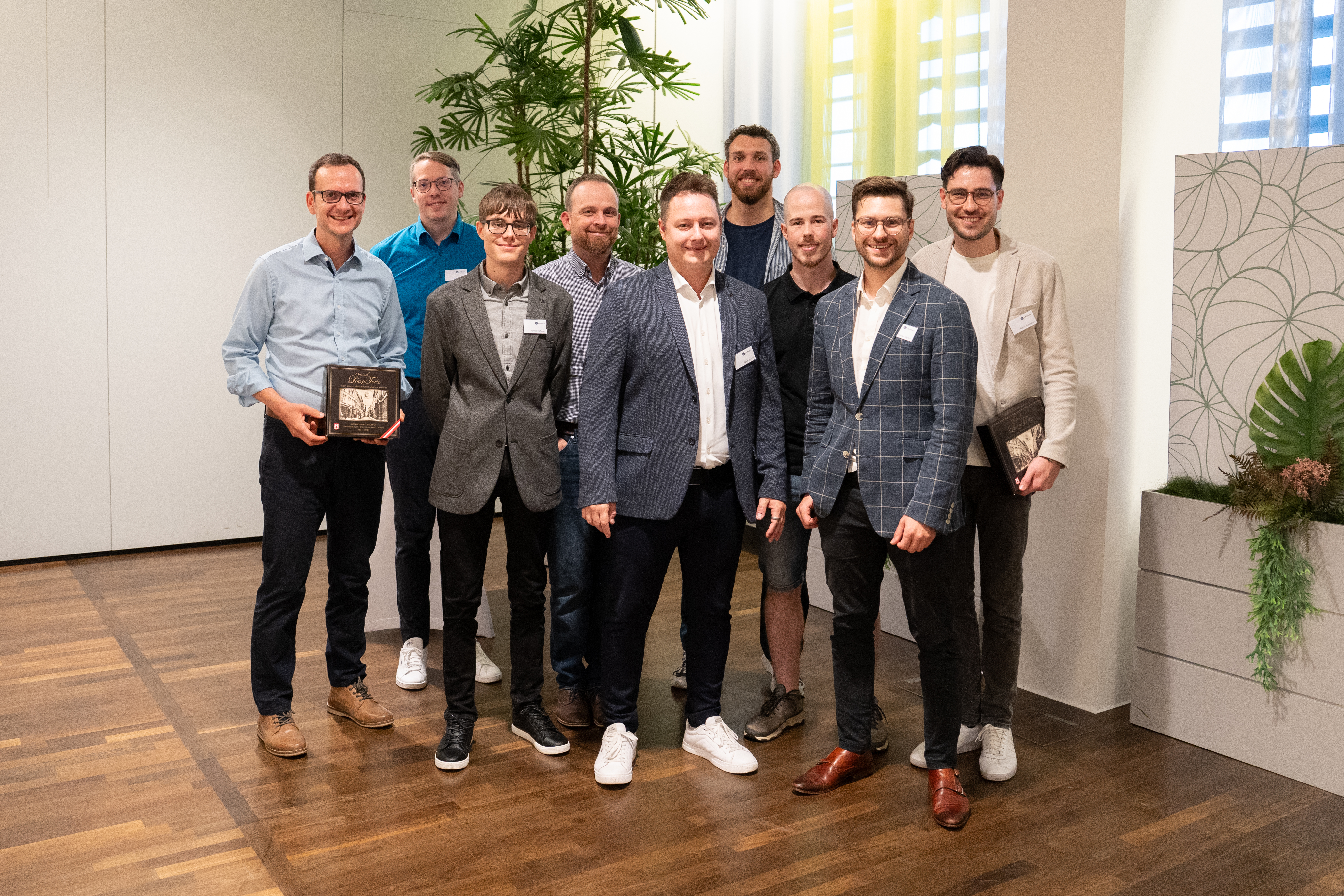
On September 24, 2026, the second Umbraco Austria Conference took place at the voestalpine Stahlwelt in Linz. Following the kickoff in 2025 at the Raiffeisen Arena, Cyber-Solutions and MBIT, together with Umbraco, once again brought the Austrian Umbraco community together – for the first time with separate program tracks for Development and for Sales & Marketing. Over 50 participants, a full program, and consistently good atmosphere: the second edition showed that the UAC has established itself as the community meeting point.
For all those who could not attend, and for everyone who wants to organize their notes: this article summarizes the sessions and draws the lines that seem important to us for enterprise projects with Umbraco – from news from the Umbraco ecosystem to migration arguments and everyday developer life with AI.
Table of Contents
- TLDR
- The second UAC: Steel World, two tracks, one community
- News from Umbraco: Where the platform is heading
- Migration to Umbraco: PainPoints & Arguments
- Agentic Coding with Umbraco: A look into the developer's daily routine
- Digital resilience and an update “the AIGILE way”
- Courage to change: The conclusion with Christian Högl
- Our takeaways for enterprise projects
- Conclusion: Umbraco has arrived in Austria
TLDR
- The second Umbraco Austria Conference brought over 50 participants to the voestalpine Stahlwelt on 24.09.2026 – for the first time with dedicated tracks for Development and Sales & Marketing. The new Dev Track was especially well received.
- Umbraco HQ provided an overview of all the latest around the platform.
- Migration to Umbraco: The most common pain points of existing platforms and the arguments that really matter in decisions – with numerous questions from the audience.
- Agentic Coding: How AI agents are used in daily Umbraco development at Cyber-Solutions – and where review and responsibility remain.
- Digital resilience and AI-supported updates at MBIT as well as the impulse “Courage to Change” by Christian Högl rounded off the program.
The second UAC: Stahlwelt, two tracks, one community
The afternoon started for many participants even before the official program: with a guided tour through the voestalpine Stahlwelt from 2:30 pm. That an Umbraco conference takes place at one of Austria’s best-known industrial locations fits the event’s claim: to show Umbraco not as a niche CMS but as a platform on which companies with high demands operate their digital channels.
New this year was the division into two program strands. The Business Track for Sales, Marketing and decision-makers covered platform strategy, migration and resilience; the Dev Track went deeper – from the Umbraco update with AI support to agentic coding in everyday life. The separation was a consequence of feedback from the first edition: developers and decision-makers want to see the same platform from different perspectives. The concept worked – especially the new Dev Track was very well received by the participants.
The afternoon was again supported by Cyber-Solutions and MBIT as hosting partner agencies and by Umbraco HQ, which was on site with a partner manager. With over 50 participants and numerous guests, the afternoon was well attended – and offered plenty of space for exchange alongside the program.
News from Umbraco: Where the platform is heading
Traditionally, Umbraco HQ opened with a look at the state of the platform and the next steps. The Umbraco partner manager gave a compact overview of all the latest around Umbraco – from releases to product development to the partner ecosystem.
For enterprise projects, three lines are especially relevant from our point of view. First, the release strategy: Umbraco 17 LTS on .NET 10 is secured until November 2028 and thus forms the basis for all platforms that should run stably in the coming years – Umbraco 13 reaches end of life in December 2026. Second, the development towards a platform: with Compose and the headless capabilities, Umbraco is increasingly positioning itself as a central source for content, data and integrations across multiple channels. Third, AI in the Backend: Umbraco.AI and the ecosystem built on it bring AI functions in a controlled way into editorial everyday life.
Migration to Umbraco: Pain Points & Arguments
In the Business Track, Cyber-Solutions addressed the question that arises in almost every initial conversation: When is the switch to Umbraco the right step – and when not? Interest was high: the session triggered numerous questions from the audience – a clear sign of how many companies are currently facing a platform decision.
The pain points of existing platforms are surprisingly similar across customer groups: expiring support like with Kentico 13, recurring license costs for features that are hardly used, an editorial team working around the system instead of with it, and dependencies on individual service providers or manufacturers. The arguments that really matter in decisions are rarely feature lists. They are total cost of ownership over several years, the planability of the migration, the future viability of the base – with Umbraco the .NET ecosystem and the LTS rhythm – and the question whether the company has long-term control of the platform itself. How a structured inventory looks before platform selection will be shown shortly in a dedicated post about our migration compass.
Agentic Coding with Umbraco: A look into daily developer life
The Dev Track contribution from Cyber-Solutions was deliberately not a conceptual lecture but a deep dive into the daily use of AI agents in Umbraco development. Andreas Fritz, managing director of Cyber-Solutions, and developer Florian Allerstorfer demonstrated live how tasks are implemented with Claude Code in the repository, how review agents check the results against guidelines, and how MCP servers provide the agent with defined tools instead of open access. The live demo ran smoothly – and made tangible how agentic work actually looks in project everyday life.
Our position is clear: the gain lies in consistency and the elimination of routine work, not in replacing developers. Review and responsibility remain with humans. How this is organized in everyday life with us and which rules we have set for ourselves will be described in detail soon in a dedicated post about our Anthropic partner status.
Digital resilience and an update “the AIGILE way”
MBIT set accents in both tracks. In the Business Track, under the title “Digital resilience begins where processes must not fail,” it was about the question of how complex digital systems remain stable in everyday life – from catering to public information. For enterprise operators, this is an important addition to the feature discussion: the best platform is the one that works even when something goes wrong.
In the Dev Track, MBIT showed under “Umbraco Update the AIGILE way” how an Umbraco update can be carried out almost exclusively with AI support. The contribution fit well with the agentic coding deep dive: two agencies, two approaches, one common theme – AI noticeably changes maintenance and upgrade work when used in a structured way.
Courage to change: The conclusion with Christian Högl
The conclusion was made by Christian Högl with the impulse “Courage to Change” – setting a motivating final point. For an audience that spent the afternoon dealing with migrations, upgrades and new ways of working, the topic was exactly right: the technical paths are known – what often slows projects down is the decision to take them.
Our takeaways for enterprise projects
First: Umbraco is taken seriously as a platform for content, data and integrations – not just as a CMS for websites. The topics of the afternoon, from migration to resilience, revolved around platform operation, not individual sites. Second: AI in development has arrived in practice, but it works with governance – defined tools, review, clear rules for data. Third: Migration is an architecture and TCO decision, not a feature question. Those facing a replacement in 2026 – Kentico 13, Sitecore XP, Umbraco 13 – need an inventory before platform selection. Fourth: The Austrian Umbraco community is growing. This is relevant for companies because it means skilled workers, partners and exchange of experience in their own market.
Conclusion: Umbraco has arrived in Austria
The second Umbraco Austria Conference showed that Umbraco is no longer explained but used in Austria – in enterprise projects with high demands on stability, integration and security. The combination of platform outlook, migration arguments and an honest look into AI-supported developer everyday life made the direction clear. UAC 2027 is already in planning, details will follow shortly. Thanks to MBIT, Umbraco and the voestalpine Stahlwelt – and to everyone who was there.
Frequently Asked Questions - FAQ
The Umbraco Austria Conference (UAC) is the annual meeting of the Austrian Umbraco community, organized by the Umbraco partner agencies Cyber-Solutions and MBIT together with Umbraco HQ. The first edition took place in October 2025 at the Raiffeisen Arena Linz, the second on September 24, 2026, at the voestalpine Stahlwelt.
For everyone using or evaluating Umbraco: decision-makers from IT, marketing, and management as well as developers. Since 2026, there have been dedicated program tracks for development and for sales & marketing, so that each role receives the content relevant to them.
The slides from the sessions will not be published. We have summarized the key messages in this post; if you have questions about individual topics, we are happy to have a conversation with you.
The UAC 2027 is already planned. Date and details will be announced shortly via the channels of Umbraco, Cyber‑Solutions, and MBIT.
Create your digital project with us!
We are here to support you in building or enhancing your digital projects. Get in touch with us and find out how we can help bring your vision to life!